Thank you for opening your Chartbook email.

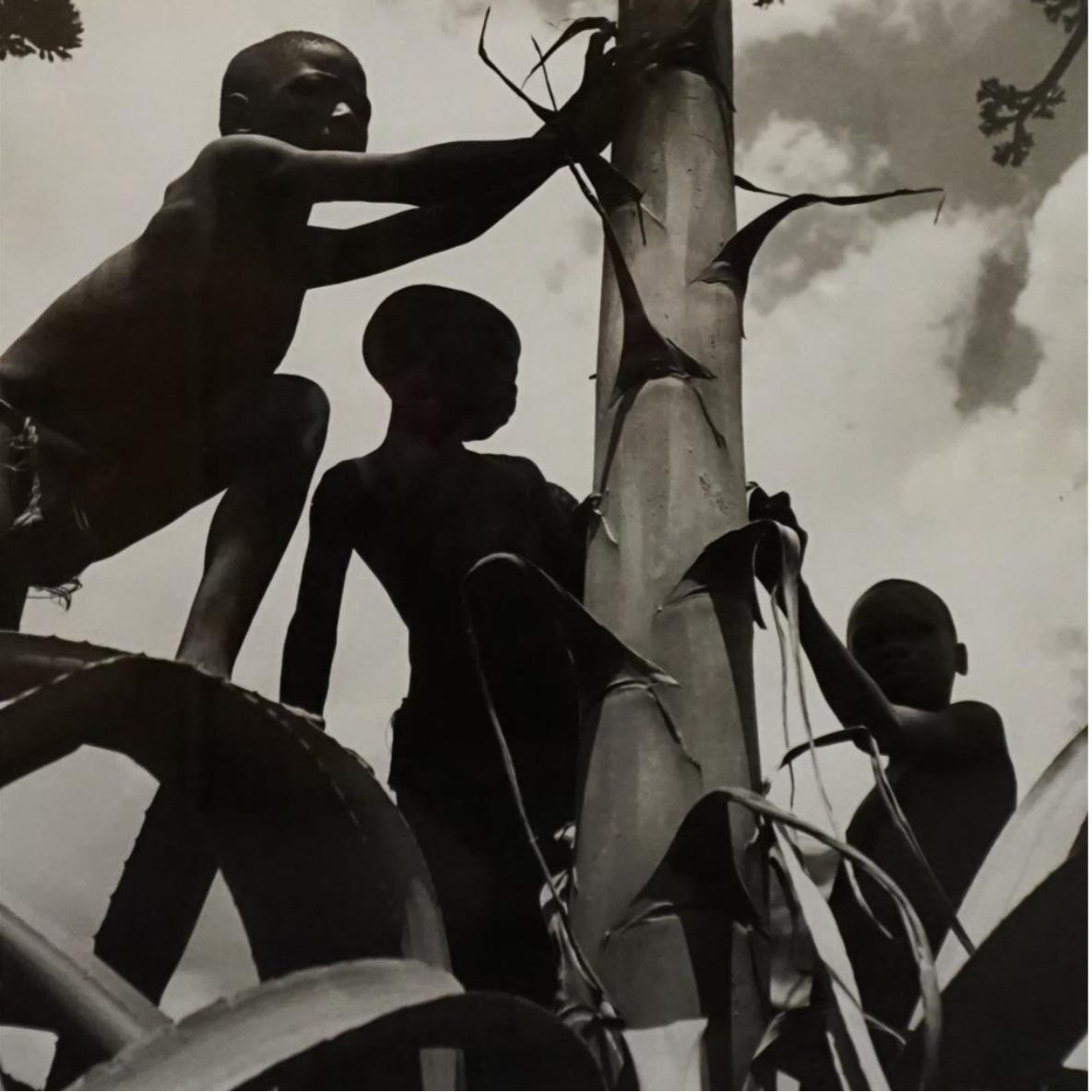
Reconnaissance Flight over Front Line Near Épinal, France 1944 Constance Stuart Larrabee


The short twentieth-century of strikes largely ended in the 1980s: Weighted strike index of 17 Western countries, 7-year moving average, 1902–2012a. The best dataset I know for
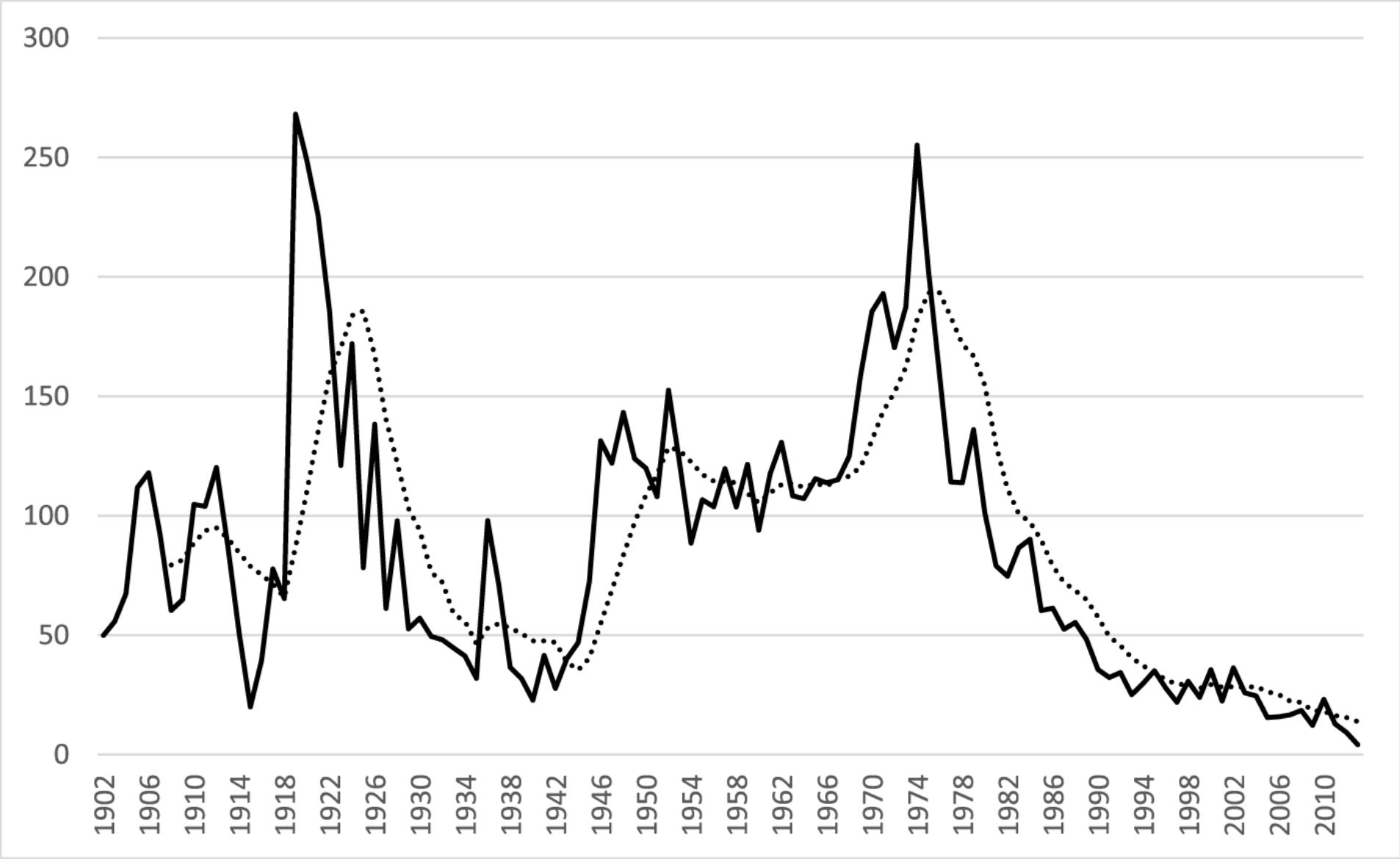
van der Velden S. The Future of Strikes and Trade Unions. International Labor and Working-Class History. 2024;106:426-438. doi:10.1017/S0147547924000127
Source: Cambridge University Press
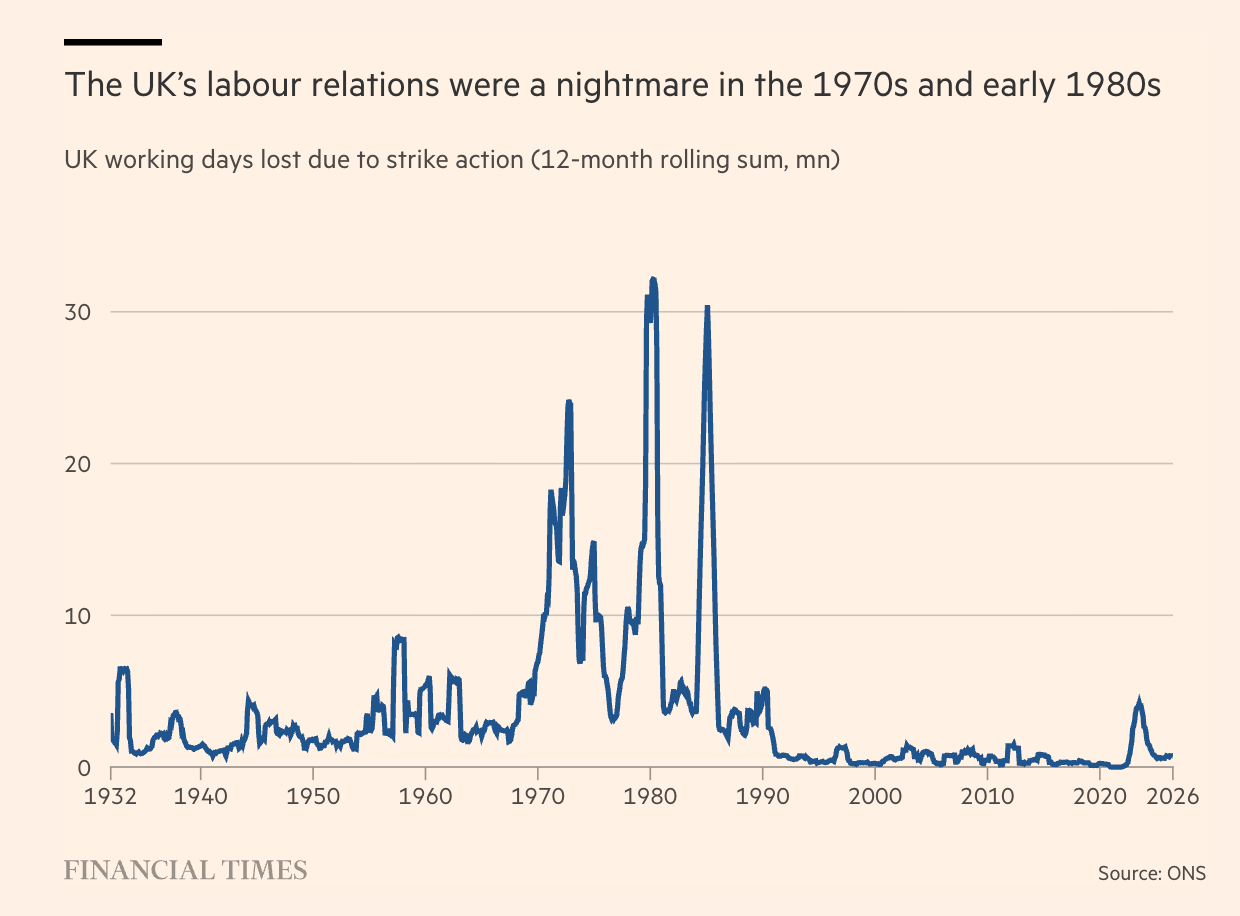
Nightmare: Well .. that is one way of putting it: FT on British industrial relations in the 1970s!
Source: Financial Times
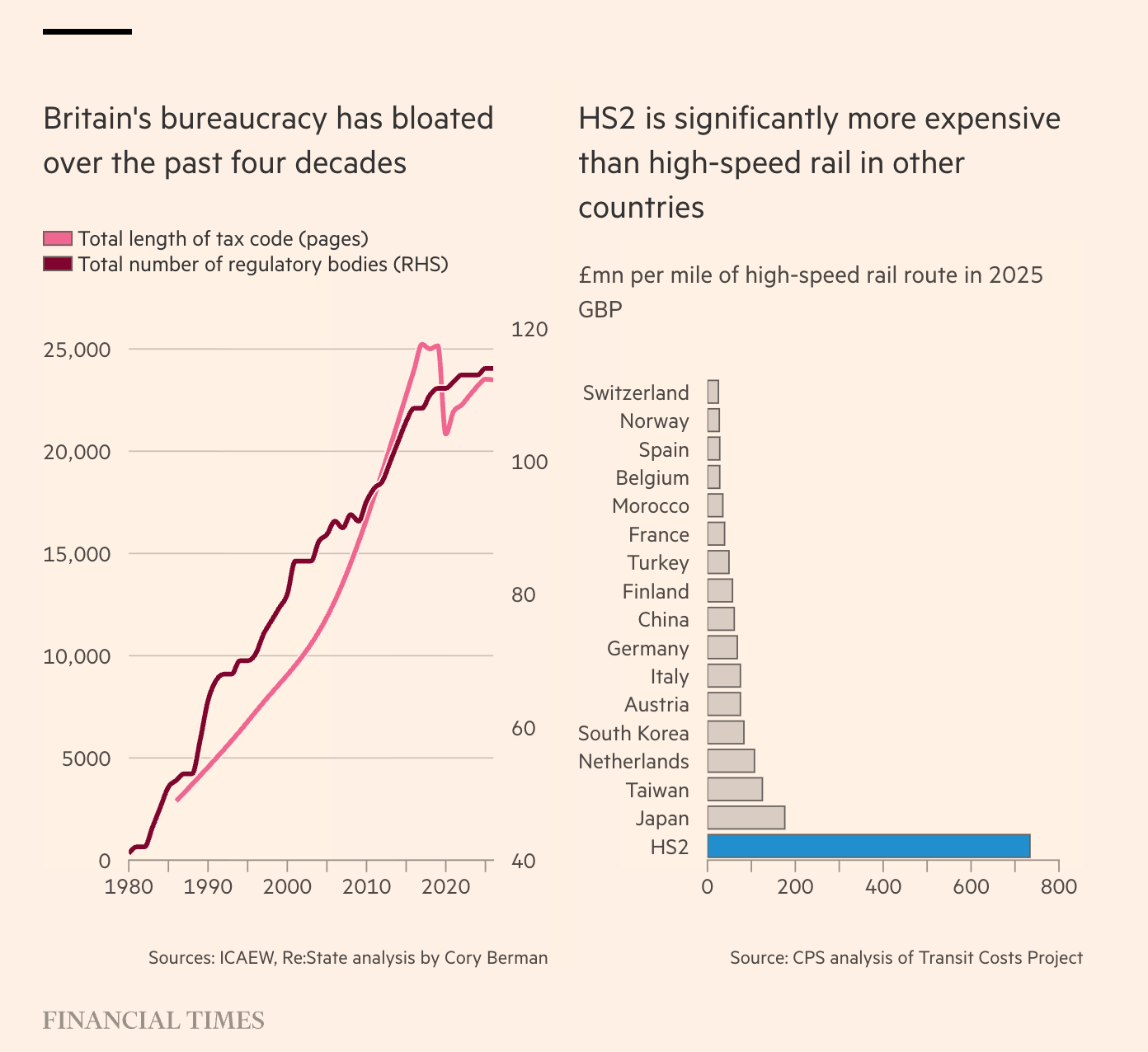
Whatever else it was, neoliberalism in the UK was NOT deregulation. Rather the opposite. One might speak of neoliberalism as the RISE of the regulatory state.
Source: Financial Times
I find this graph handy for describing the distinctive problematic of Keynesian economics in the General Theory (1936). It is not about either growth or the cycle, but about the risk of flatlining.
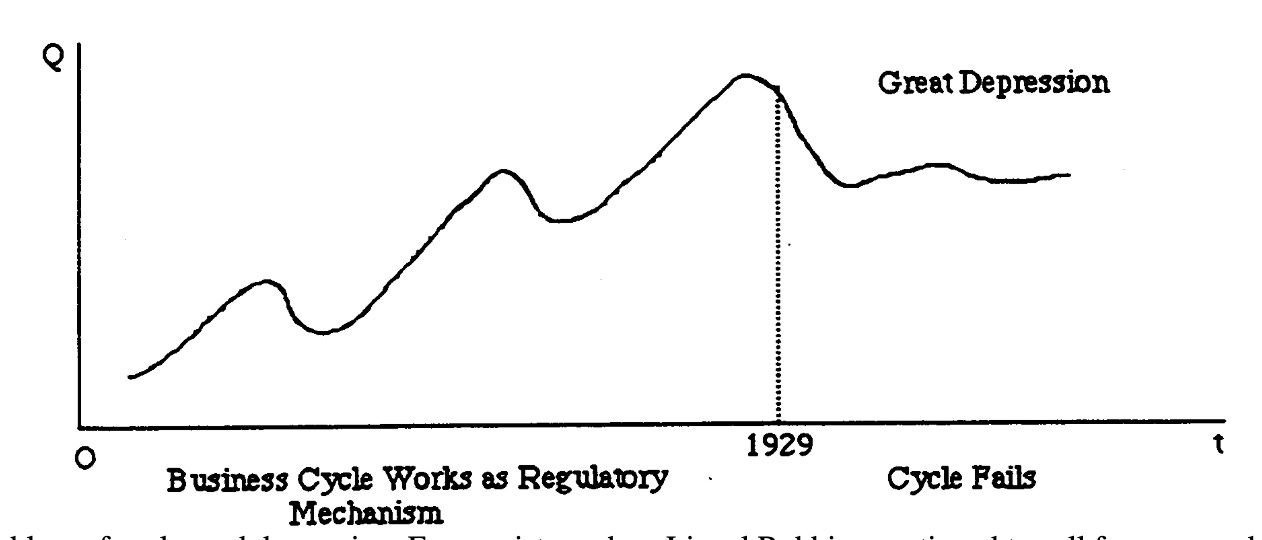
Source: College of Liberal Arts (COLA) at The University of Texas at Austin
Two obstacles have prevented us from appreciating the significance of the slave trade in British history. The first arose from the abolition campaign, which finally overcame opposition in parliament in 1807. The abolitionists promoted the idea that opposition to the slave trade flowed naturally from British values: justice, freedom and Christian benevolence. The success of this strategy obscured the role those same British values had played in supporting the trafficking. Today, Britain’s leaders place abolition in the pantheon of great and definitive national moments. The second obstacle has been the ingrained tendency of the British to offshore the causes and effects of African chattel slavery to the Americas. According to this view, slavery, and the racial thinking it engendered, was an American, not European concern. But Europeans transported the great majority of enslaved African people to the Americas and reaped huge advantages from doing so. These advantages reshaped European societies. The Register of British Slave Traders, published today, is another significant step towards removing these obstacles and reinscribing the slave trade at the centre of the nation’s history. Compiled by a team of historians across three UK universities over four years, the Register identifies some of the roughly 13,000 men and women, based in Britain, who financed the violent transportation of 3.2 million enslaved African men, women, and children for almost two and half centuries. It is the first to gather biographical information on all known investors in the trafficking. These were pivotal centuries for Britain: establishing the British state and its borders, defining its national religion and constitution, enlarging its status in the world, building its empire, launching its core institutions, characterising its culture, forging its progressive values and underpinning unprecedented phases of economic growth. Although slave traders were a tiny minority of the British population, the register shows them exerting an outsized influence on this golden age of British development. The trade in enslaved African people was a formative influence during perhaps the most formative period in Britain’s history. … Slave-trading became associated with the social upstart and propelled social mobility. Recent immigrants, some of them refugees, mostly from France and northern Europe, made up a disproportionate number of investors, as the register shows. The government did not abandon its foundational relationship with the trafficking. It made the scale of public enthusiasm for the slave trade the basis for a project to refinance the national debt – the slave-trading South Sea Company. …. Britain’s slave traders also helped to define the nation’s culture. The slave trade enticed creative people with sporadic earnings as investors. The register shows how poets (John Gay), playwrights (Thomas Southerne), painters (Sir Godfrey Kneller), composers (George Frideric Handel), and architects (James Gibbs) gravitated towards the trafficwhile reshaping literature, art, music and architecture in Britain.
Source: The Guardian
HEY READERS,
THANK YOU for opening the Chartbook email. I hope it brightens your day.
I enjoy putting out the newsletter, but tbh, what keeps this flow going is the generosity of those readers who clicked the subscription button.

If you are persuaded to click, please consider the annual subscription of $60. It is both better value for you and a much better deal for me, as it involves only one credit card charge. Why feed the payments companies if we don’t have to.
Constance Stuart Larrabee, Xhosa Woman, Transkei, South Africa, 1949,

The National Bank of the Soviet Republic of China was established in Ruijin in February 1932. The photos show the Bank’s former site along with the bonds and banknotes it issued.
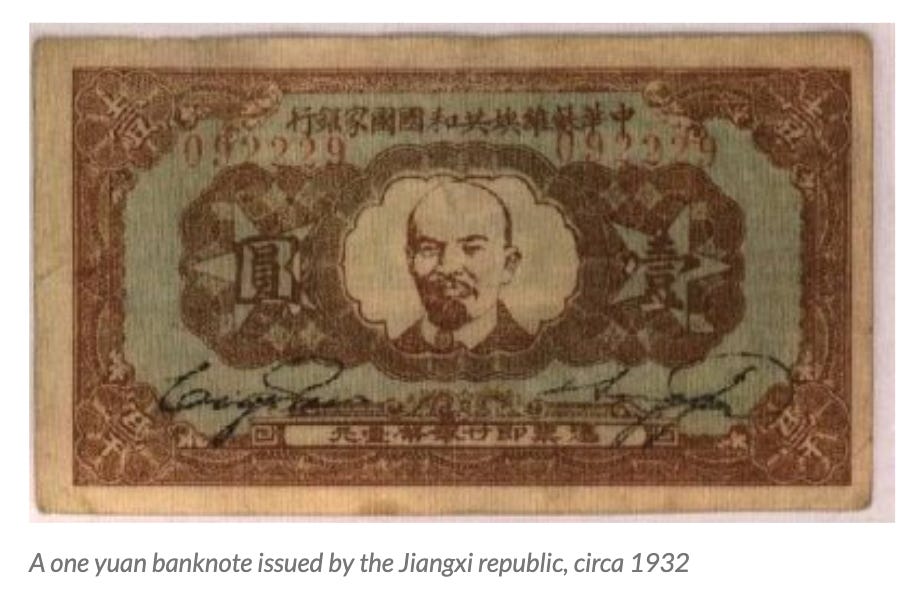
Source: Academy of Chinese Studies
Constance Stuart-Larrabee (American/British 1914-2000), Untitled,