
The Midwest stabilizes. Globalization wars. John Nash drowning in books. On violence and Keynes.
Great links, images, and reading from Chartbook Newsletter by Adam Tooze

Thank you for opening your Chartbook email.
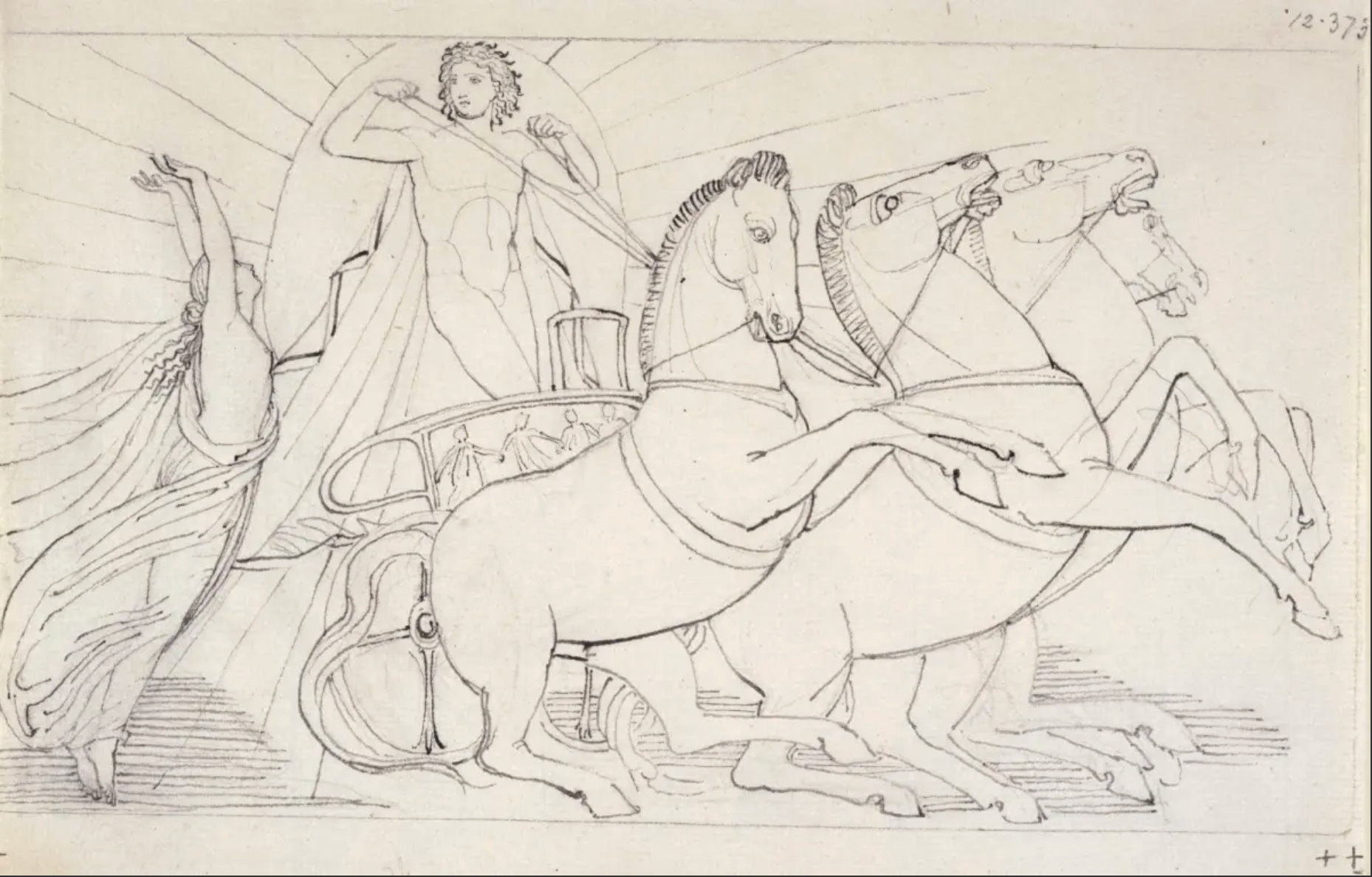
Lampetia complaining to Apollo, 1792-1793
John Flaxman RA (1755 - 1826)
After draining to the South for many years, the population of the US Midwest is beginning to stabilize
Last year the Midwest census region, which stretches from the Dakotas to Ohio, gained more domestic migrants than it lost. In 2022, some 180,000 people moved out. Last year 16,000 moved in (see chart 1).
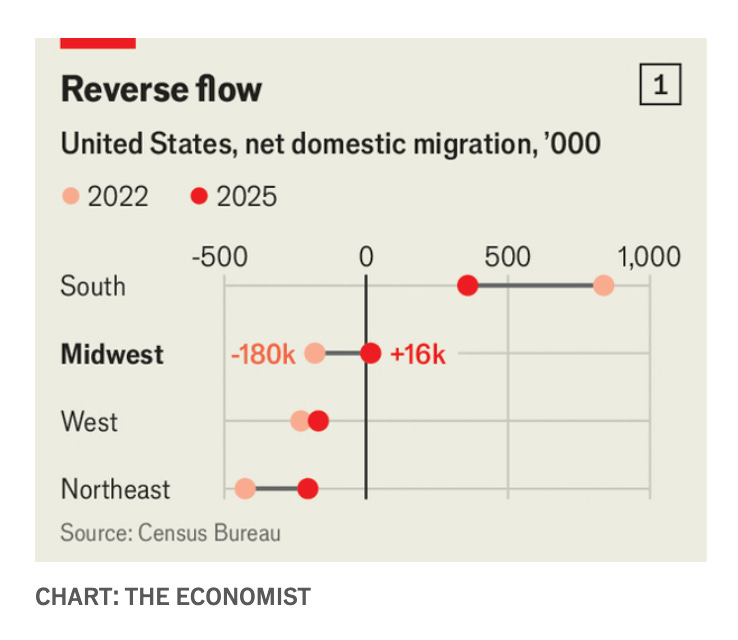
Source: The Economist
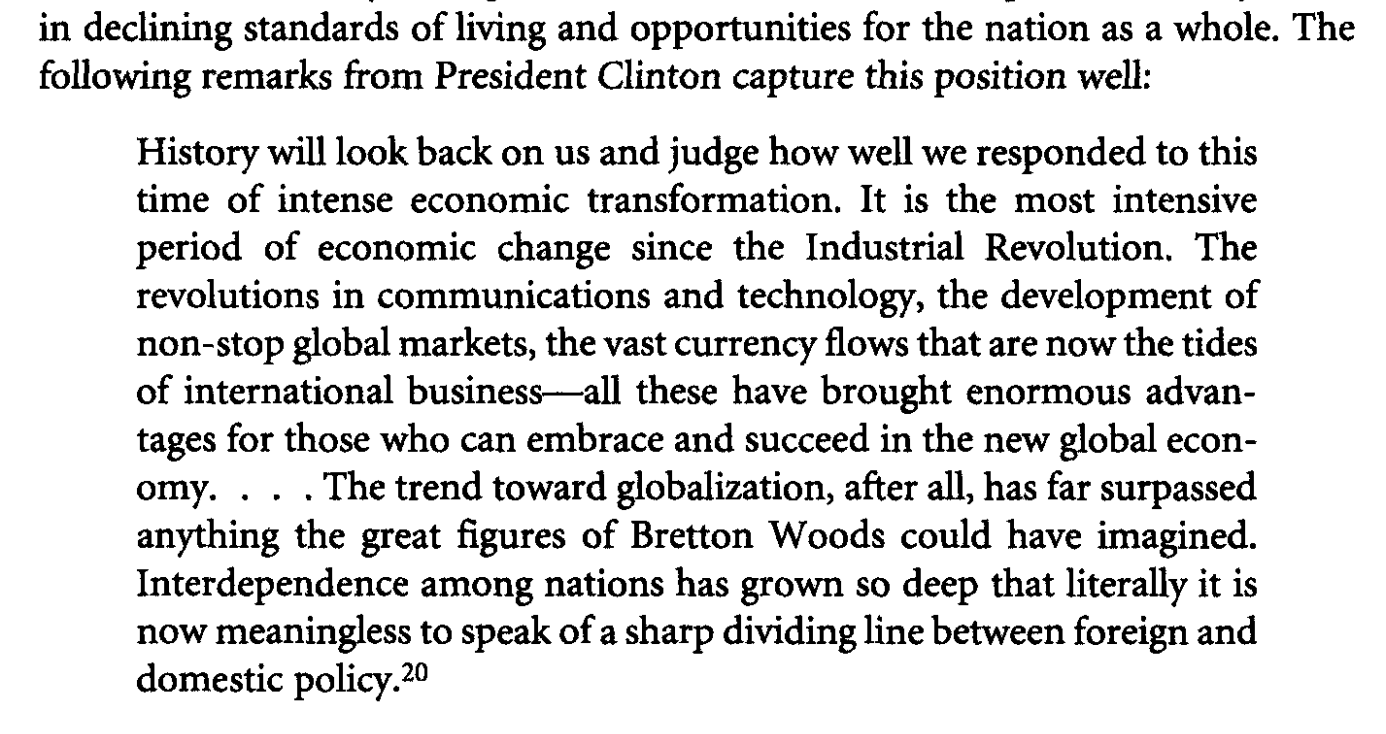
Bill Clinton on globalization in the late 1990s
Versus Pat Buchanan
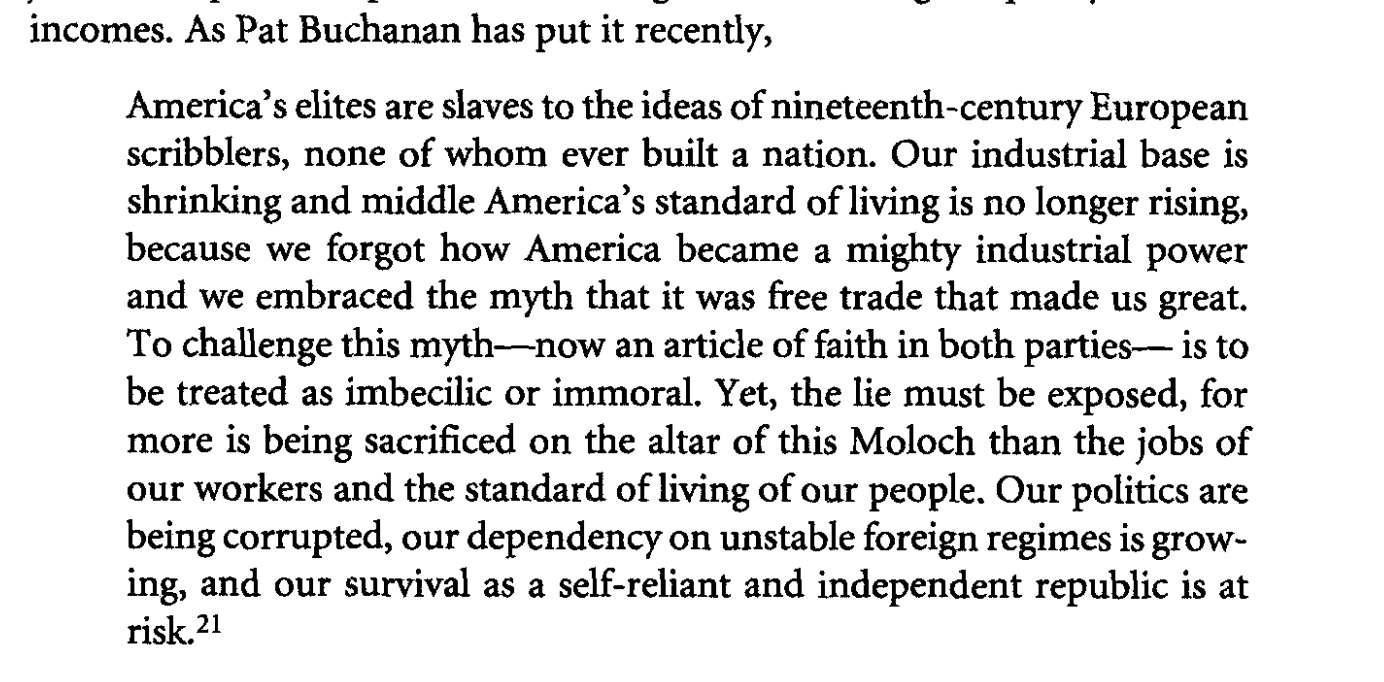
Source: From Edward S. Cohn, The Politics of Globalization in the United States (2001)
Financial services and top management still lead the Chinese salary rankings, but software and IT are catching up.
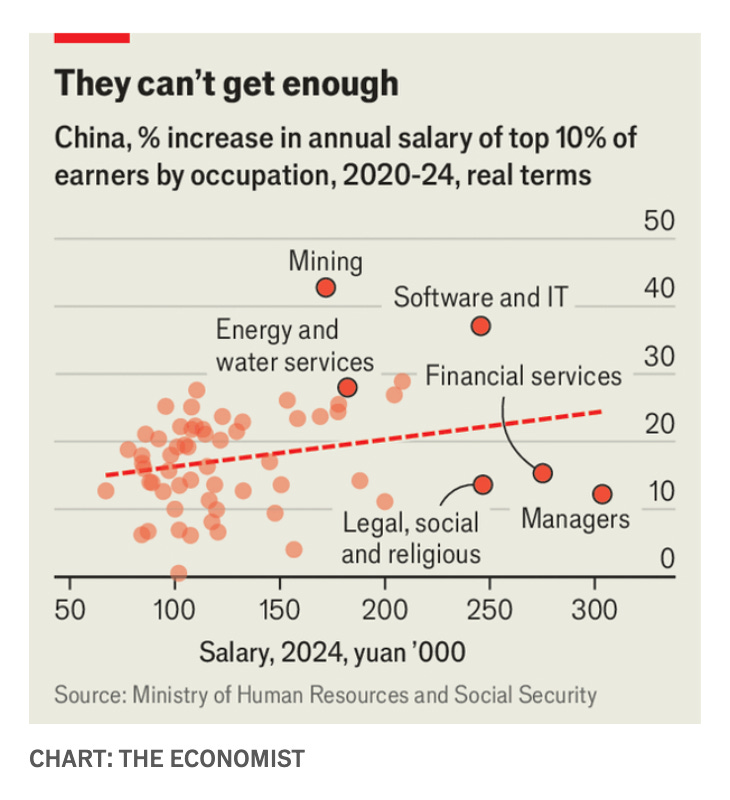
Source: The Economist
HEY READERS,
THANK YOU for opening the Chartbook email. I hope it brightens your day.
I enjoy putting out the newsletter, but tbh, what keeps this flow going is the generosity of those readers who clicked the subscription button.

If you are persuaded to click, please consider the annual subscription of $50. It is both better value for you and a much better deal for me, as it involves only one credit card charge. Why feed the payments companies if we don’t have to.
Americanism v. the planned economy (the last bastion of Europe’s old regime of consumption)
For contributing subscribers only.

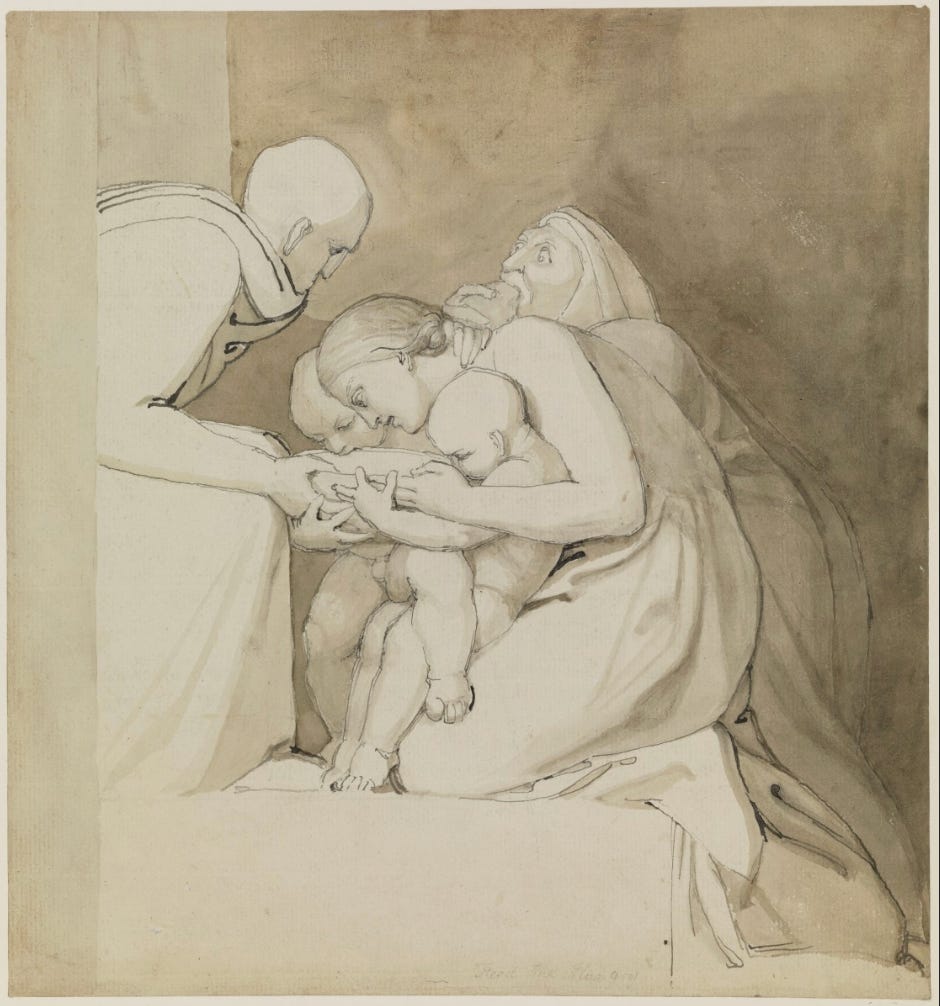
Feed the Hungry John Flaxman (1755–1826)
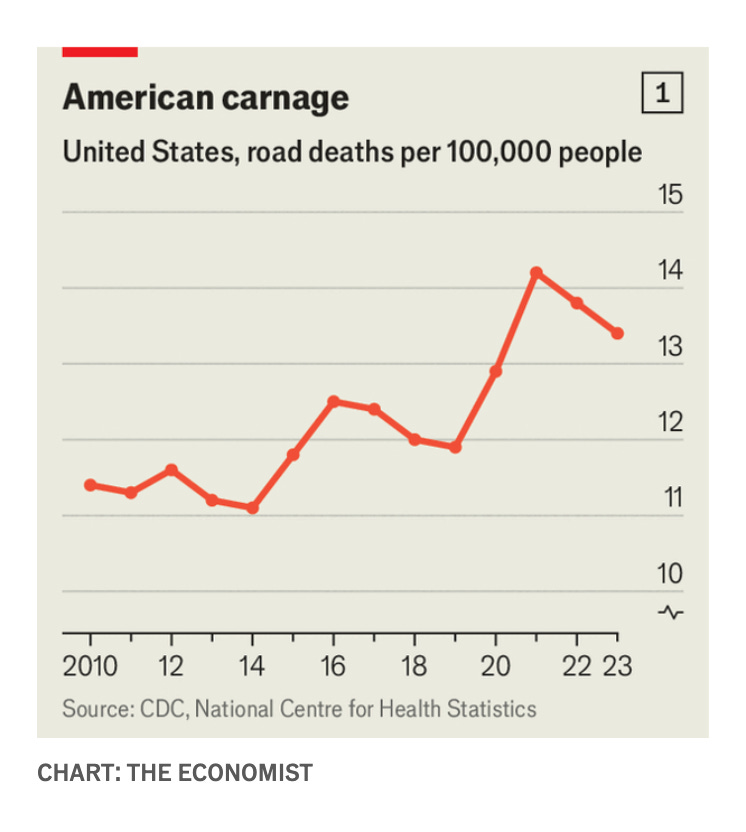
American road deaths are moving in the wrong direction.
And the carnage in the South is particularly terrible.
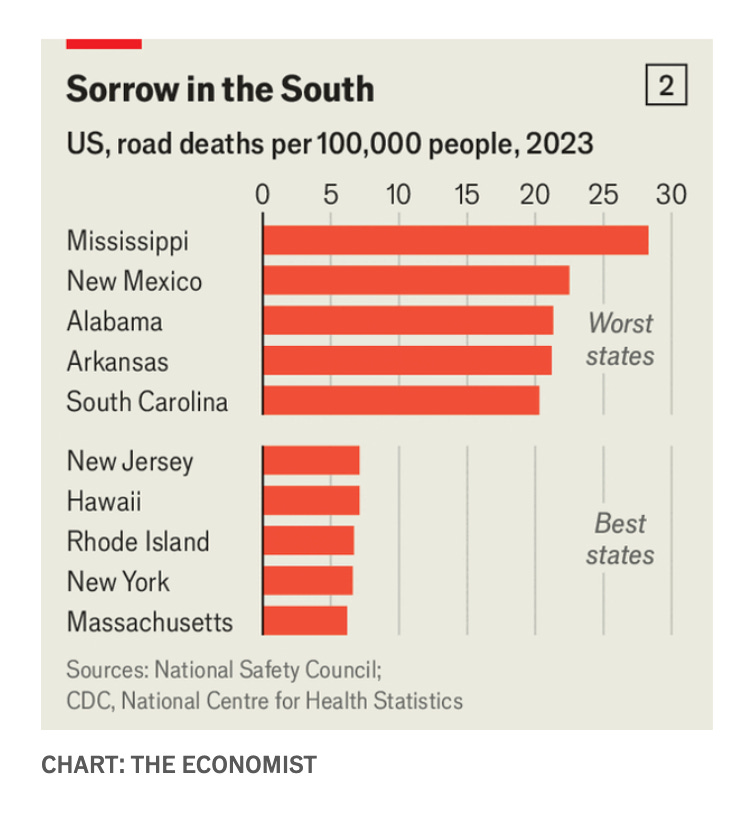
Source: The Economist
On violence and Keynes
But at the end of all this scientific effort designed to set aside fear, the fear for the future still remains, the fear of catastrophe and of the party of catastrophe. For Keynes, fears arise precisely from a combination of the necessity to reconstruct capital and the recognition of a tendency of the power balance to consolidate in favour of the working class.
In a situation where the relationship between the classes has become dynamic, any attempt to create a new equilibrium is bound to be insecure, and it becomes impossible to stabilize movement around a fixed point. The only option in such a situation is to place one’s faith in power, as a separate and distinct reality. Is this perhaps how we should read Keynes’ elevation of the general interest to an absolute, and his emancipation from his own theoretical schema of effective demand? Is it perhaps possible to see in the twofold movement of Keynes’ thinking – open to an identification of the state’s structure with the socio-economic process, and at the same time inclined to recognize a general interest of the state that is separate and distinct from the particularities of social movement – a contradiction that is necessary to the new life of the system? What is certain is that this sense of precariousness is not going to diminish.
Perhaps its only adequate translation into institutional language is the extreme violence characteristic of the modern state. State, once again, means fear, the need for repression, violence. Perhaps this is how Keynes’ utopianism and mystification dissolve. The settling of accounts with the party of catastrophe becomes a daily event. The communism of capital can absorb all values in its movement and can represent to the full the general social goal of development; but it can never expropriate that particularity of the working class that is its hatred of exploitation, its uncontainability at any given level of equilibrium. For the working class is also a project for the destruction of the capitalist mode of production.
Source: A. Negri “John Maynard Keynes and the Capitalist Theory of the State” (1967)
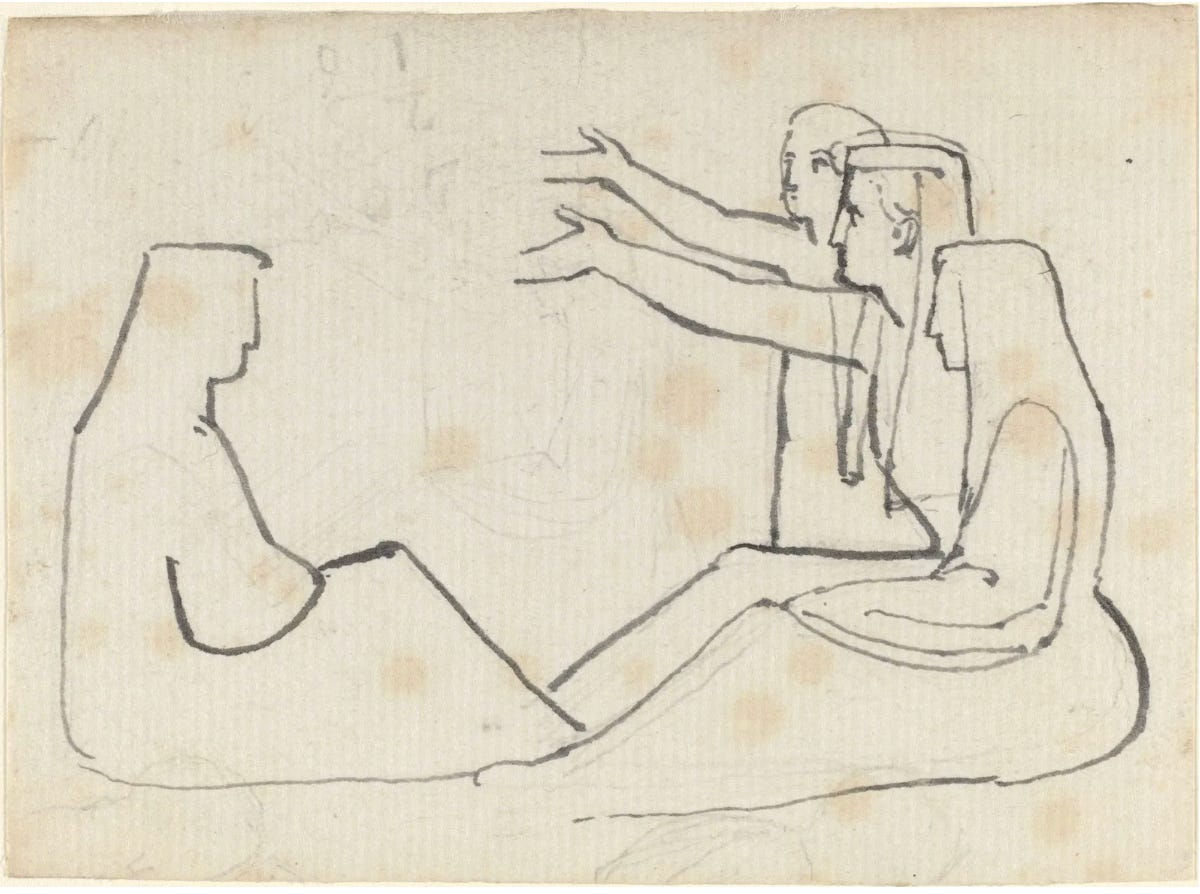
John Flaxman Four Seated Figures
If you’ve scrolled this far, you know you want to click: